Beige
Minimalist elegance through neutral tones, creating calm and sophisticated spaces and styles.
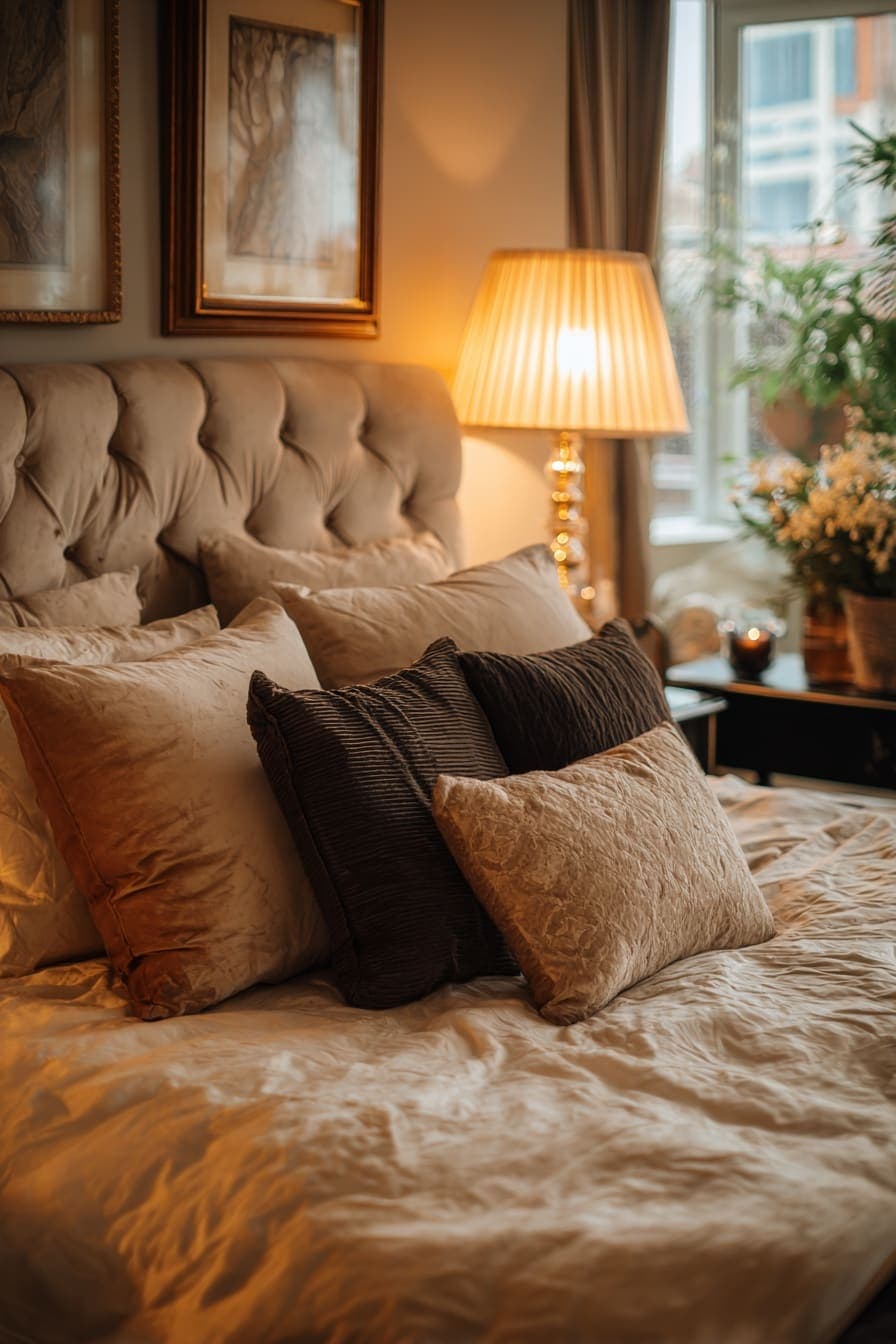
What is Beige?
The beige aesthetic is the look of calm, considered minimalism — an all-neutral world of cream sweaters, sand-colored trousers, oat-toned walls, and soft natural light. It is tonal dressing and understated interiors built entirely from beige, taupe, greige, and camel, where nothing shouts and everything coordinates. The whole point is quiet sophistication: a space and a wardrobe that feel expensive, restful, and intentional without relying on a single bright color.
More than a color, beige is a philosophy of restraint. The neutral aesthetic prizes quality over quantity, texture over print, and timelessness over trend — fine knits, linen, tan leather, oak, and boucle layered in warm, related tones. It overlaps with the clean girl and quiet luxury worlds but is specifically the tonal, head-to-toe-neutral version: serene, grown-up, and effortlessly chic. Done well, beige reads as the opposite of boring — it reads as confidence.
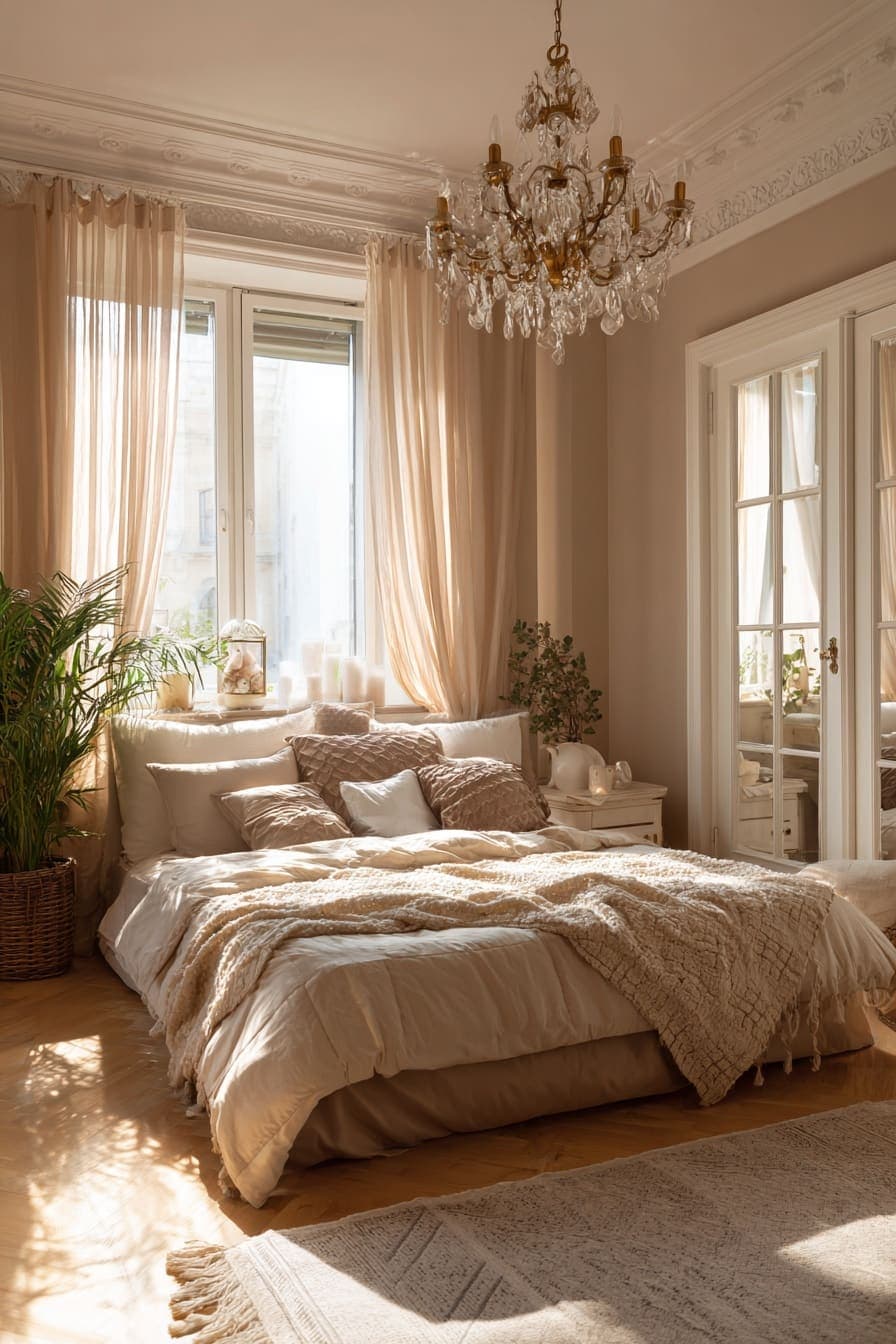
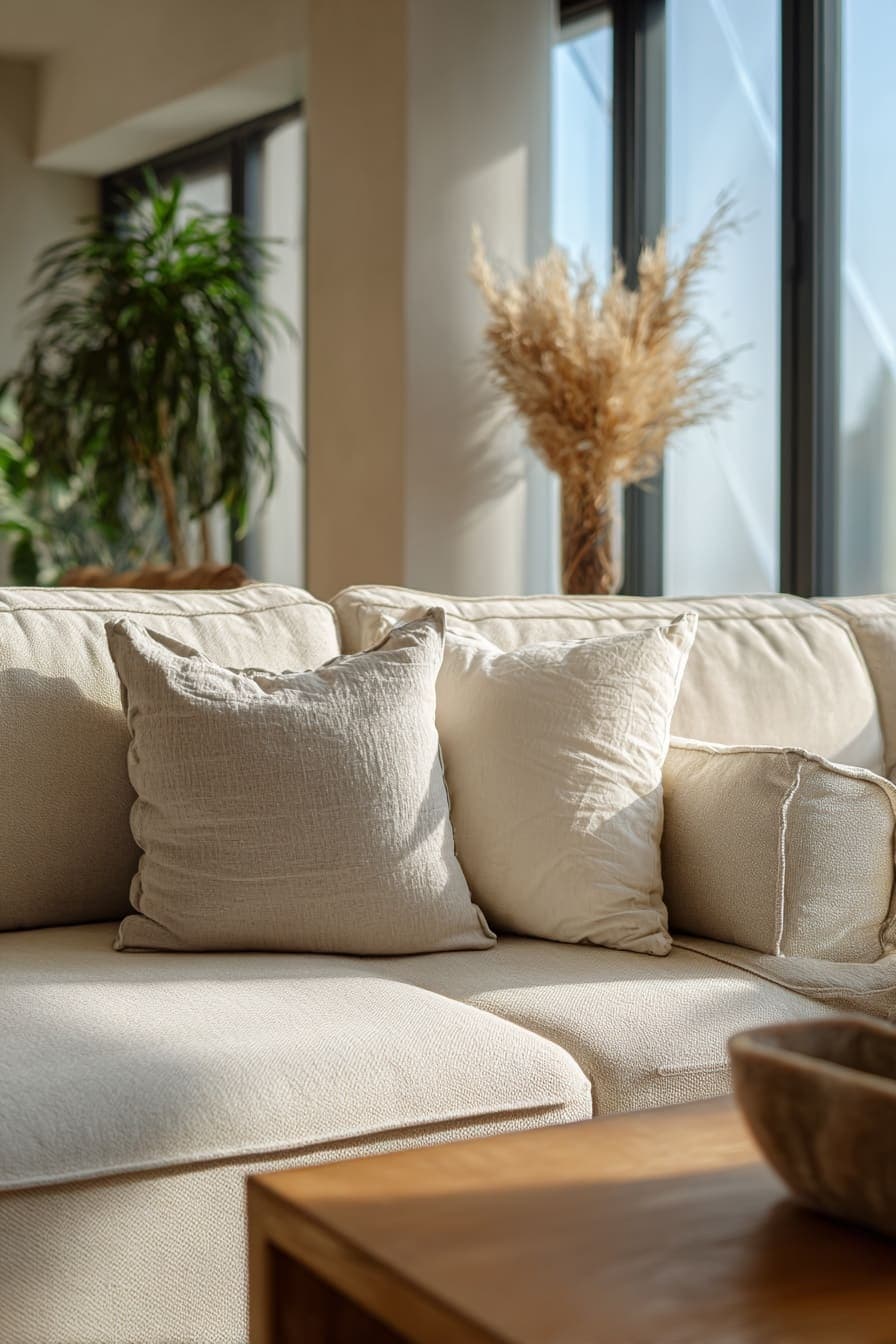
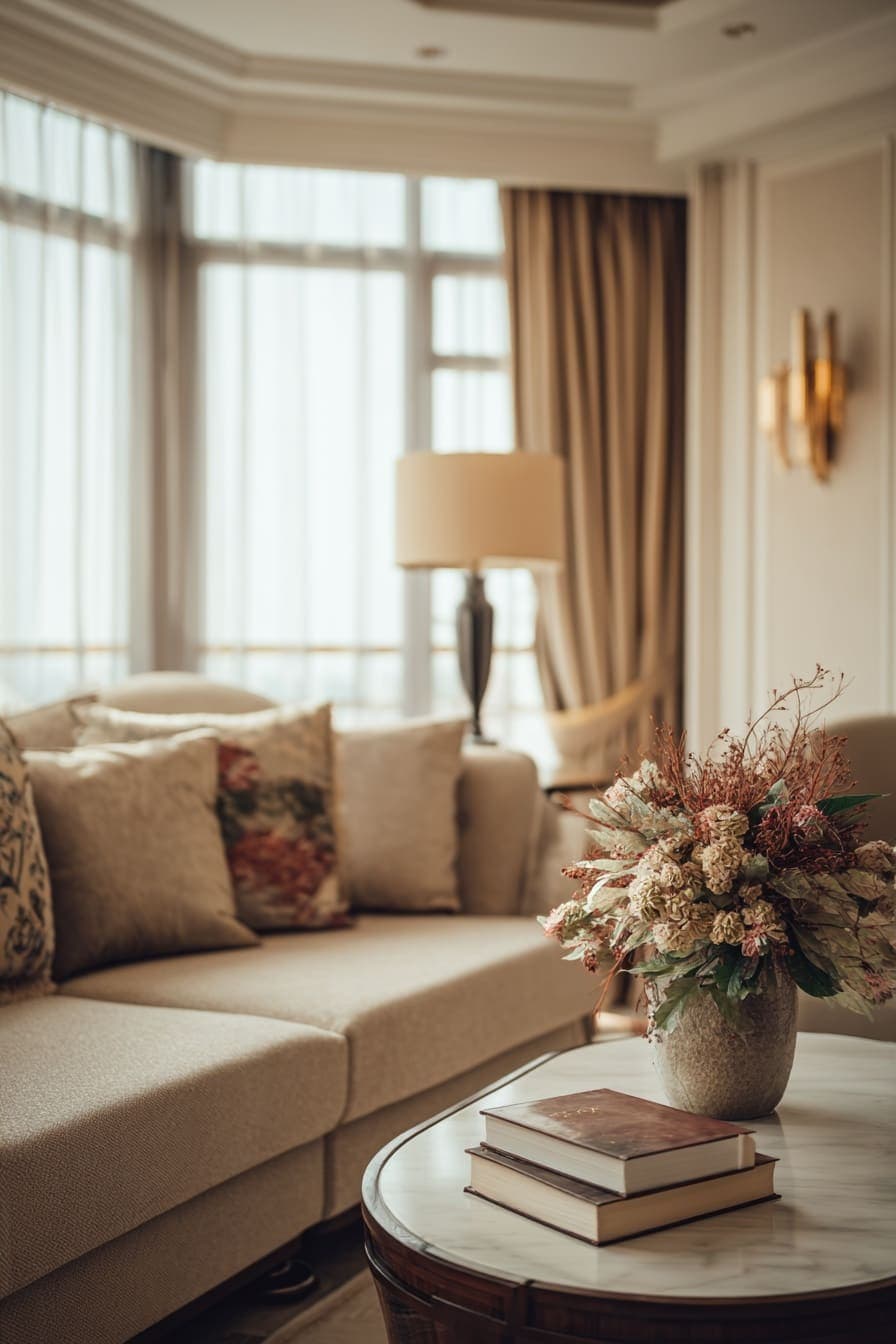
Beige gallery






Where the Beige Aesthetic Comes From
The beige aesthetic grew out of a long minimalist lineage — Scandinavian design's love of pale wood and white space, Japanese wabi-sabi's appreciation of natural, imperfect materials, and the pared-back luxury of brands like The Row, COS, and Jil Sander. It surged into the mainstream on the back of the clean-girl and "that girl" wellness wave of the early 2020s, where slicked-back hair, neutral basics, and tidy, sunlit apartments became shorthand for an aspirational, put-together life. At its core, beige is a reaction against maximalism and loud color: where one trend piles on pattern and saturation, the neutral aesthetic strips everything back to warm, quiet tones and lets material and proportion do the talking.
The Beige Wardrobe: Outfits
Beige outfits are an exercise in tonal dressing — building a whole look from cream, sand, oat, and camel so the pieces feel layered and rich rather than matchy. The trick is to vary texture and shade within the same neutral family: a cream knit over sand trousers, a camel coat over an oatmeal turtleneck. These are the building blocks of a beige outfit:
- —
Tailored trousers and wide-leg pants in sand, stone, or taupe
- —
Fine-gauge knits, ribbed turtlenecks, and oversized cream sweaters
- —
A camel or trench coat as the signature outer layer
- —
Linen shirts, slip skirts, and relaxed neutral suiting
- —
Tan leather accessories — a structured bag, loafers, or pointed flats
- —
Monochrome neutral dressing: head-to-toe shades of one warm tone
The secret to a great beige outfit is layering different textures in closely related shades so the eye reads depth instead of flatness. Keep silhouettes clean and slightly relaxed, and let a tan leather bag or a single gold accent finish the look.
The Beige Color Palette
The beige color palette is a family of warm neutrals that, layered together, create depth instead of monotony. The goal is a look that stays warm and dimensional rather than cold or flat, which means pulling from across the neutral spectrum rather than repeating one shade. The core tones to know:
- —
Beige — the warm, soft base tone that anchors the whole palette
- —
Cream — a pale, milky off-white that brightens and lifts a tonal look
- —
Sand — a slightly deeper, sun-warmed neutral with a yellow undertone
- —
Taupe — a gray-brown that adds grounding contrast and sophistication
- —
Greige — the gray-beige hybrid that keeps walls and tailoring modern
- —
Camel — a richer, golden-brown that brings warmth and a luxe edge
- —
Oatmeal — a flecked, textured neutral perfect for knits and upholstery
To keep neutrals from going flat, combine warm tones (cream, camel, sand) with a cooler grounding shade (greige or taupe) and lean hard into texture — boucle, linen, wool, and rattan read as variation even when the colors are nearly identical. That tonal layering is what separates a rich beige scheme from a dull one.
Beige Nails and Beauty
Beige nails are one of the easiest entry points to the look — think milky, nude, and soft-glazed manicures that flatter every skin tone and never compete with an outfit. The beauty side follows the same logic: clean, warm, and barely-there. Reach for these:
- —
Milky and nude polish in cream, beige, and soft caramel tones
- —
Glazed-donut and sheer "your nails but better" manicures
- —
Clean-girl makeup: dewy skin, fluffy brows, and a touch of cream blush
- —
Soft bronze and warm taupe eyeshadow for low-key definition
- —
Slicked-back hair or a tidy bun, with healthy, glossy texture
A Beige Room: Neutral Interiors
A beige room turns warm neutral walls and natural materials into a feeling of calm. Start with beige, greige, or oat-toned paint, then build the space around texture rather than color — linen upholstery, oak and rattan furniture, boucle accent chairs, and plenty of soft natural light. Beige wallpaper in a subtle grasscloth, linen, or tonal pattern adds quiet depth to a feature wall without breaking the neutral scheme, and layered textiles in cream and sand keep the room from ever feeling sterile. The result is a serene, grown-up space where material and light do all the work.
Beige vs Clean Girl vs Minimalist
The beige aesthetic overlaps heavily with its close cousins but is specifically the all-neutral, tonal-dressing version of them. Knowing the distinctions helps you nail the look:
- —
Clean girl — a beauty-led routine of dewy skin, slicked hair, and gold hoops; beige is its color story, but clean girl allows brighter outfits and accents
- —
That girl — the wellness-and-productivity lifestyle (matcha, journaling, 5am routines); beige is its visual aesthetic, but "that girl" is about habits, not just clothes
- —
Quiet luxury — stealth-wealth dressing in expensive, logo-free pieces; it shares beige's restraint but isn't strictly neutral and is defined by quality and price
- —
Scandinavian minimalism — pale wood, white space, and functional design; beige is warmer and more tonal, layering browns and creams rather than leaning cool and stark
- —
Beige itself — the common thread: specifically the warm, head-to-toe-neutral, tonal version where the entire palette is one related family
How to Get the Beige Aesthetic Look (Step by Step)
- —
Start with a warm neutral base — a cream knit or sand trousers for outfits, oat or greige paint for a room
- —
Build tonally: layer two or three shades from the same beige family rather than matching exactly
- —
Lean on texture — linen, boucle, oak, wool, and tan leather create depth without color
- —
Add one grounding neutral (taupe or greige) so warm tones do not read flat
- —
Keep beauty clean and glossy: milky nails, dewy skin, and tidy hair
- —
Finish with a single warm metal accent — gold or brass — and stop before it feels overstyled
The Beige color palette
Popular media
Beige FAQ
The beige aesthetic is a calm, minimalist look built entirely from warm neutrals — beige, cream, sand, taupe, and camel — across both fashion and interiors. It centers on tonal dressing and understated, sophisticated spaces where texture and natural light matter more than color. The vibe is serene, timeless, and effortlessly chic rather than loud or trendy.
A beige color palette is a family of warm neutrals: beige, cream, sand, taupe, greige (gray-beige), camel, and oatmeal. The key is combining warmer tones like cream and camel with a cooler grounding shade like greige or taupe. Layering several of these shades together keeps the look warm and dimensional instead of flat.
Beige is a color story — an all-neutral, tonal way of dressing and decorating. Clean girl is a beauty-led routine of dewy skin, slicked-back hair, and minimal gold jewelry that often uses a beige palette but allows brighter outfits and accents. In short, beige is about the neutral tones, while clean girl is about the polished, low-maintenance grooming.
Build beige outfits by layering two or three shades from the same warm-neutral family — for example a cream knit over sand trousers under a camel coat. Vary the textures (fine knit, linen, tan leather, wool) so the look reads as layered and rich rather than matchy. Keep silhouettes clean and finish with one tan leather bag or gold accent.
It only looks boring when it stays flat. The trick is to layer multiple neutral shades and lean hard into texture — boucle, linen, oak, rattan, and wool create visual variation even when the colors are nearly identical. Mixing warm tones with one cooler grounding shade like greige or taupe keeps a neutral aesthetic warm, dimensional, and quietly sophisticated.