Old Money
Timeless elegance and quiet luxury inspired by generational wealth and refined taste.
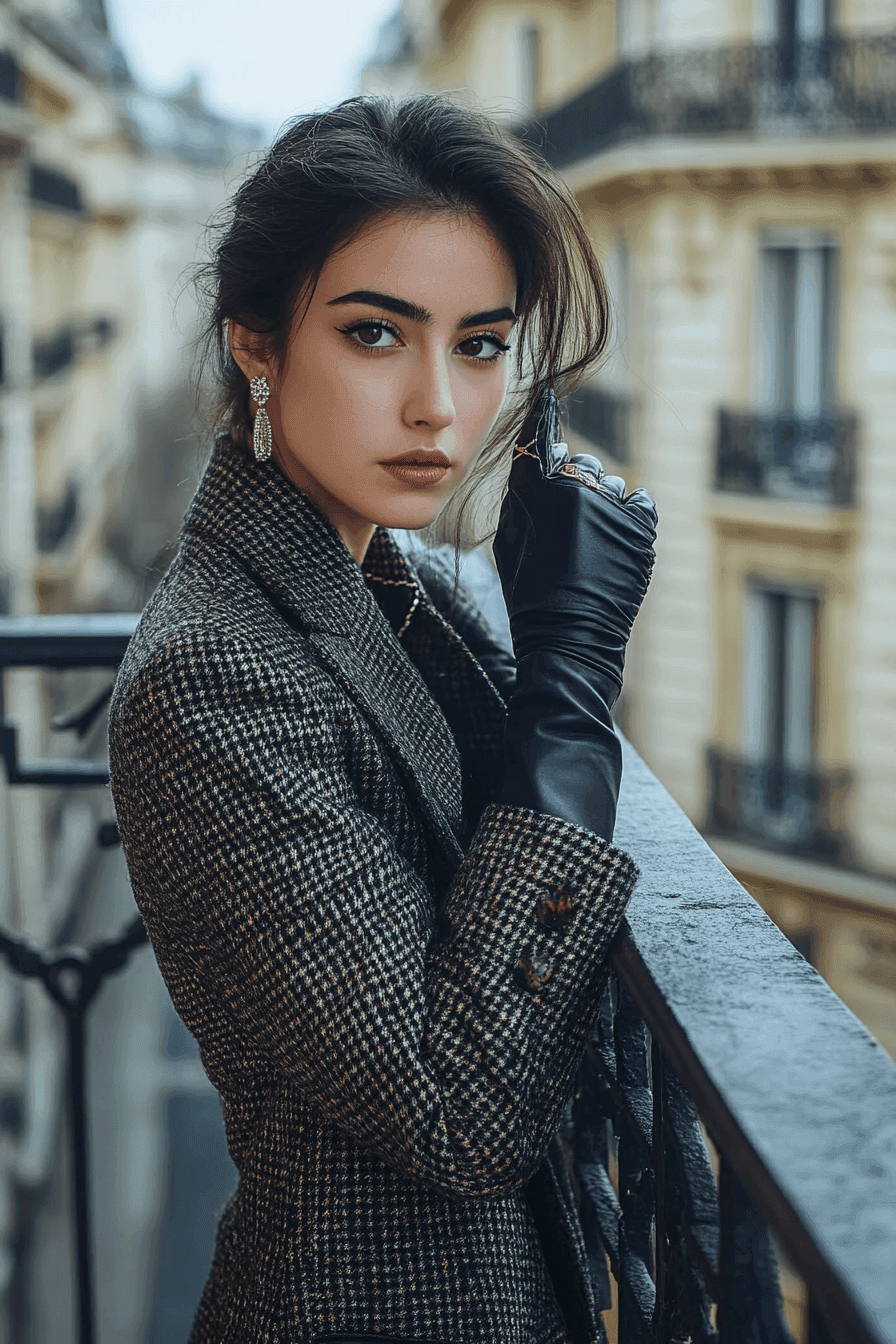
What is Old Money?
The old money style is the look of inherited, understated wealth — impeccably tailored blazers, cashmere knits, crisp white shirts, and well-worn loafers in a palette of navy, cream, and camel. It is built on quality over quantity and timelessness over trend, the kind of refined wardrobe that whispers rather than shouts. There are no flashy logos and no loud branding, just beautifully made pieces that look like they have been in the family for a generation.
At its heart, the old money aesthetic is about quiet luxury: an effortless polish that comes from natural fibers, perfect fit, and restraint. It draws on country clubs, sailing, equestrian sports, and Ivy League traditions, translating that world into clothes you could wear to a tennis match, a yacht, or a Sunday lunch. Decades after WASP and European aristocratic dressing first defined it, old money fashion keeps trending — proof that genuine elegance never really goes out of style.
Old Money gallery
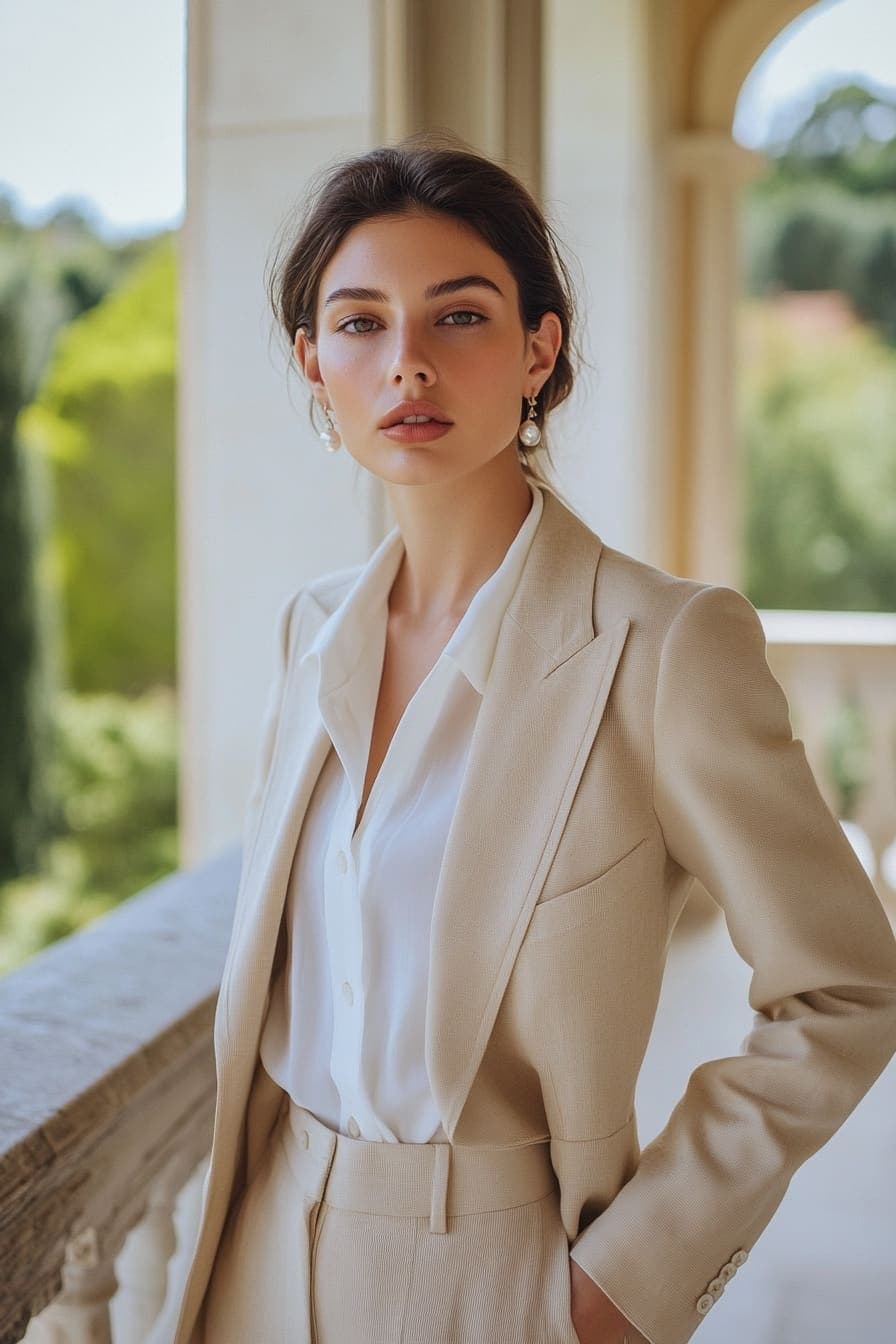
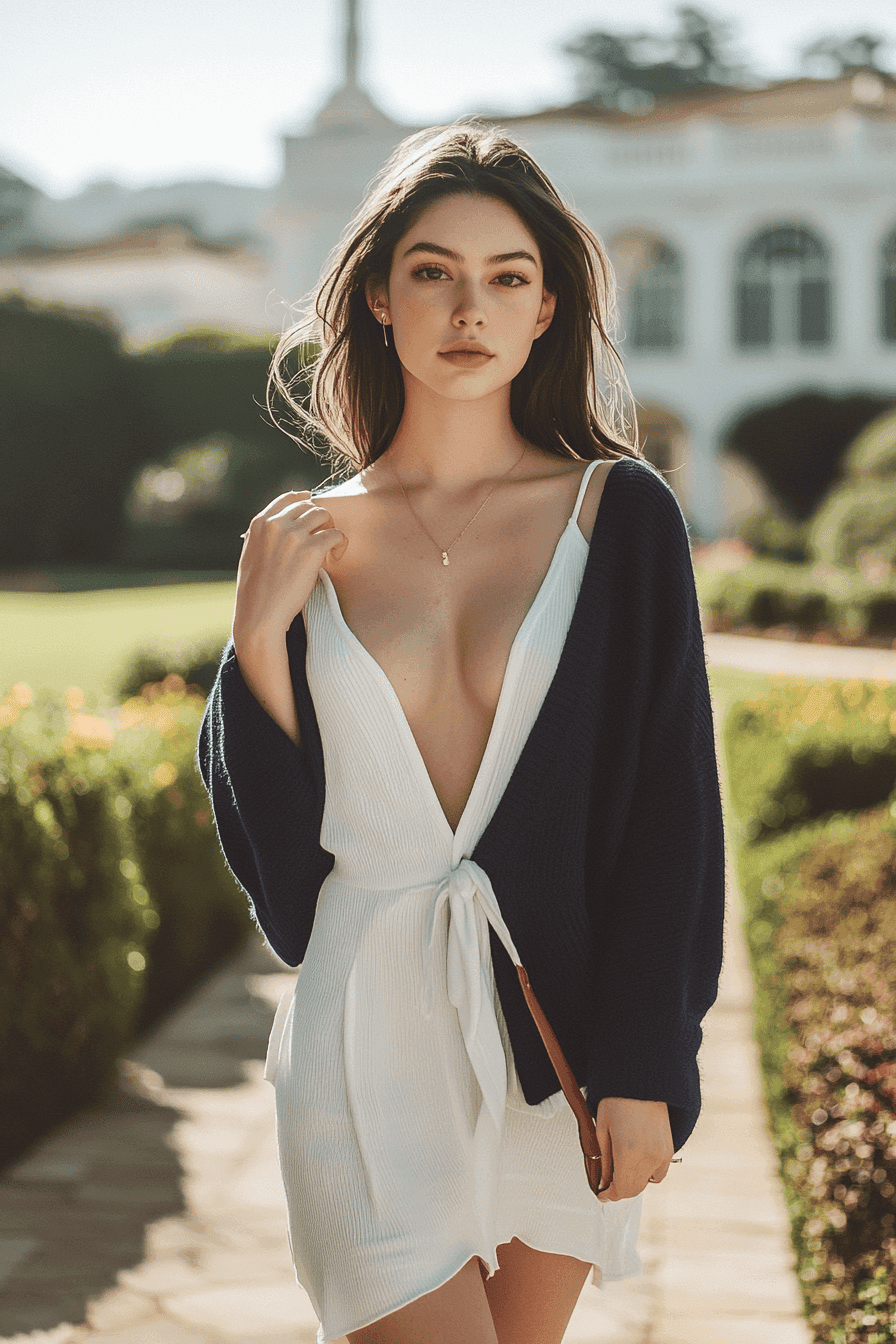
Where the Old Money Look Comes From
The old money aesthetic traces back to the established upper classes of the United States and Europe — the WASP elite of the American Northeast and the landed aristocracy of England and continental Europe. Its DNA is preppy and Ivy League: the look of Ivy League campuses, New England prep schools, country clubs, and East Coast summer towns like the Hamptons, Nantucket, and Newport. Sailing, polo, tennis, and equestrian sports shaped the silhouettes, while old families prized clothes that signaled discretion rather than display.
That history is why old money style is the original stealth wealth. The whole point was that you never had to prove anything — your taste, your tailoring, and your manners did the talking. This is the opposite of conspicuous consumption: the goal is to look quietly, unmistakably expensive without ever naming a price.
The Old Money Wardrobe: Key Pieces
Old money outfits are built on tailoring, natural fibers, and a tight neutral palette. The goal is a wardrobe of timeless staples that mix and match endlessly and never look dated. These are the building blocks of the old money look, with the essentials for old money outfits women reach for first:
- —
Tailored blazers and structured wool coats in navy, camel, or charcoal
- —
Cashmere and merino knits — crewnecks, V-necks, and draped-over-the-shoulders sweaters
- —
Crisp white button-down shirts and classic polo shirts
- —
Pleated trousers, tailored chinos, and tennis or midi skirts
- —
Trench coats, quilted jackets, and a well-cut camel overcoat
- —
Leather loafers, ballet flats, riding boots, and clean white sneakers
- —
Pearls, a silk scarf, a leather tote, and a simple gold watch
The secret to authentic old money fashion is fit and fabric. Pieces should be tailored to your body, made from natural materials like wool, linen, silk, and cotton, and kept in pristine, well-maintained condition — because looking effortless takes care.
Quiet Luxury vs New Money
Quiet luxury and new money are two opposite approaches to wealth. Quiet luxury — also called stealth wealth — is the engine of the old money aesthetic: logo-free dressing, exceptional materials, and timeless cuts that only people in the know can identify. A cashmere sweater with no visible label, a perfectly tailored coat, a discreet leather bag — the value is in the craftsmanship, not the branding.
New money, by contrast, tends toward the visible and the loud: big logos, flashy designer monograms, trend-chasing it-bags, and pieces chosen to be recognized. Old money style deliberately rejects all of that. The rules are simple — quality over quantity, timelessness over trend, and restraint over flash. If a stranger can name the brand from across the room, it is probably not quiet luxury.
The Old Money Brands
Certain heritage labels are practically synonymous with old money fashion. These are the old money brands built on craftsmanship and longevity rather than logos:
- —
Ralph Lauren — the American prep blueprint: polos, blazers, and Ivy League tailoring
- —
Loro Piana — Italian house revered for the finest cashmere and quietly luxurious knits
- —
Brunello Cucinelli — soft neutral tailoring and cashmere that defines modern quiet luxury
- —
Hermes — heritage leather goods, silk scarves, and understated investment pieces
- —
Brooks Brothers — classic American oxford shirts, suiting, and preppy staples
- —
The Row — minimalist, logo-free luxury favored by the stealth-wealth crowd
- —
Burberry — the iconic trench coat and timeless British outerwear
The Old Money Color Palette
The old money color palette is neutral, refined, and endlessly versatile — built for pieces that coordinate season after season. Navy, cream, camel, and white form the backbone, deepened by forest green and rich burgundy (bordeaux) for autumn and winter. Nothing is neon or overly trend-driven; every shade reads classic and expensive. The full swatch palette below — champagne, navy, cashmere, forest green, pearl white, camel, bordeaux, and platinum — works for outfits, interiors, and moodboards alike.
Grooming & Accessories
- —
Natural, polished hair — a sleek blowout, a low bun, or a clean side part
- —
Minimal, fresh-faced makeup that looks healthy rather than done
- —
Fine, understated jewelry: pearl studs, a thin gold chain, a signet ring
- —
A classic gold or simple leather-strap watch, never oversized or flashy
- —
Quality leather goods — a structured tote, a soft clutch, or a heritage handbag
- —
A silk scarf, leather gloves, and a discreet pair of tortoiseshell sunglasses
How to Get the Old Money Look (Step by Step)
- —
Start with a neutral base — navy, cream, camel, and white in natural fibers
- —
Invest in one or two perfectly tailored staples: a blazer and a cashmere knit
- —
Add timeless accessories — pearls, a gold watch, and a leather tote
- —
Choose quality over quantity: fewer, better pieces that last for years
- —
Thrift heritage labels and look for secondhand cashmere, blazers, and trench coats
- —
Keep grooming polished and natural, and skip anything with a loud, visible logo
The Old Money color palette
Popular media
Old Money FAQ
The old money aesthetic is a refined style rooted in inherited, understated wealth — tailored blazers, cashmere knits, crisp white shirts, and loafers in a neutral palette of navy, cream, and camel. It prizes quality over quantity and timelessness over trend, drawing on Ivy League, preppy, and aristocratic traditions. The look is logo-free and effortless, signaling taste rather than spending.
Old money and quiet luxury go hand in hand: both favor logo-free, beautifully made pieces and discreet, stealth-wealth dressing. New money is the opposite — loud logos, flashy designer monograms, and trend-driven it-pieces chosen to be noticed. In short, old money whispers through craftsmanship while new money shouts through branding.
An old money color palette is neutral and refined: navy, cream, camel, and white form the core, with forest green and burgundy (bordeaux) adding depth for fall and winter. Soft champagne, cashmere, pearl white, and platinum round it out. Everything reads classic and versatile rather than bright or trendy.
Heritage old money brands include Ralph Lauren and Brooks Brothers for American prep, Loro Piana and Brunello Cucinelli for the finest cashmere and quiet-luxury tailoring, Hermes for understated leather goods, The Row for minimalist logo-free luxury, and Burberry for the classic trench coat. They are known for craftsmanship and longevity, not loud logos.
Old money style is about quality over quantity, so a small budget can work in your favor. Thrift and shop secondhand for heritage pieces — cashmere sweaters, wool blazers, trench coats, and leather loafers — then have them tailored to fit perfectly. Stick to a tight neutral palette of navy, cream, and camel, keep everything clean and well-maintained, and avoid anything with a visible logo.